
Avoid embarrassing social mistakes with the essential World Cup 2026 cultural rules for international tourists in Mexico, USA, and Canada.
World Cup 2026 cultural rules
Most travel advice about cultural sensitivity reads like a corporate document—vague and not particularly useful when you’re actually standing outside Estadio Azteca trying to figure out why the taxi driver looks annoyed with you. This is a different kind of guide. These are the real mistakes that international fans make and the simple adjustments that prevent them. To protect your trip, here are the essential World Cup 2026 cultural rules you must follow across Mexico, the United States, and Canada.
In Mexico: Read the Room
Mexico City is one of the most culturally rich cities in the world, and Mexicans are warm and generous hosts. But there are a few things that create friction immediately, and it’s worth knowing them before you arrive.
World Cup 2026 cultural rules
- Don’t walk into any establishment without a greeting: In Mexican culture, walking into a shop, restaurant, or market stall and immediately asking for something without first saying “buenos días” or “buenas tardes” is considered genuinely rude. It signals that you see the person behind the counter as a transaction rather than a human being. Walk in, make eye contact, greet them, and then state what you need. That five-second investment changes the entire interaction.
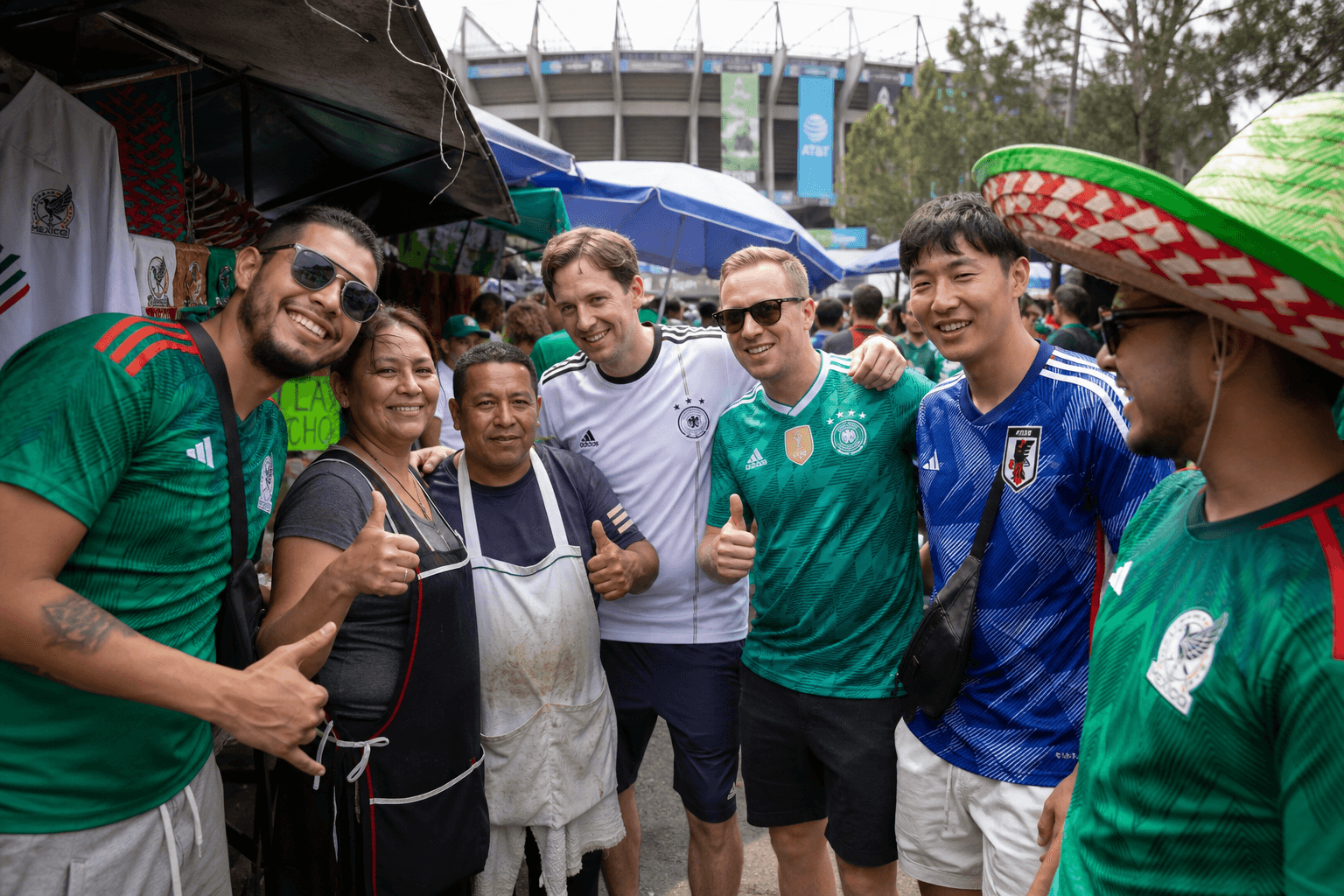
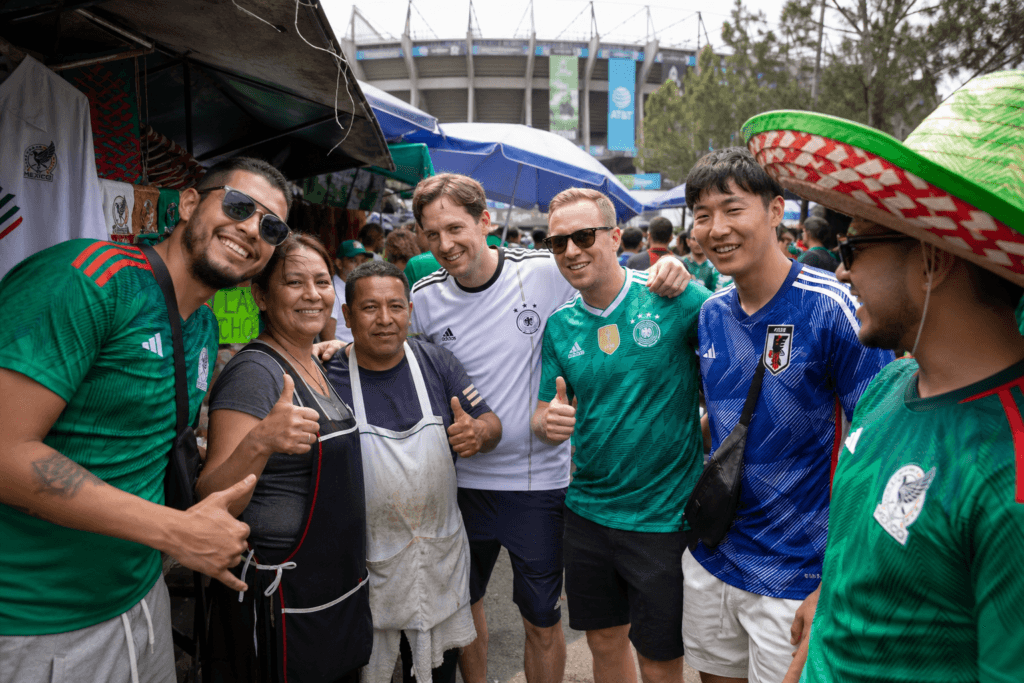
- Don’t photograph people without asking: Street vendors and market traders are not part of the World Cup tourist scenery. If you want a photo that includes a person, make eye contact, gesture toward your camera, and wait for a nod.
- Don’t confuse Mexican Spanish with Spanish Spanish: If you’ve studied Spanish calibrated to Spain, some expressions will feel slightly off. Mexicans will find it charming that you’re trying, but they will not appreciate corrections based on European norms.
- Don’t refuse food that’s offered to you: If you find yourself in a social situation with locals and food is offered, accept it. Refusing food in Mexican culture is a meaningful rejection of hospitality. If you have dietary restrictions, accept graciously first and explain quietly.
In the United States: Different Rules, Expectations
The USA might seem familiar through media exports, but heavy social norms still trip up foreign fans.
World Cup 2026 cultural rules
- Don’t underestimate the queue: Americans queue with patience and with a deep social expectation that everyone else will do the same. Cutting in line—even accidentally—generates immediate and visible irritation. When in doubt, find the back of any line and ask.
- Don’t stand too close: Personal space norms in the United States are larger than in most of the world. The standard comfortable distance for a conversation with a stranger is roughly arm’s length. If you notice someone subtly stepping back, give them their space.
- Don’t skip the small talk: “How are you?” is a greeting, not a question. “Good, thanks” is the expected response. Cashiers, security staff, and stadium workers will often engage in brief pleasantries before getting to the transaction.
- Don’t assume alcohol is everywhere: Some US stadiums serve alcohol, some don’t, and some serve it only until halftime. Policies vary heavily by venue and by state.
In Canada: Mostly Familiar, With a Few Specifics
Canada shares some traits with the US, but the national identity distinction is important and deeply felt.
- Don’t call them American: Referring to Canadians as Americans—even casually, even with no offense intended—is the kind of thing that gets corrected every single time.
- Do apologize for everything: The Canadian apology reflex is real. If you bump into someone, apologize. They will almost certainly apologize back. This is just how social friction is smoothed over.
- Respect the bilingual context: In Montreal specifically, French is the primary language. Making an effort with even a few words of French (bonjour, merci, s’il vous plaît) will be deeply appreciated.
World Cup 2026 Cultural Rules Summary Checklist
- Slow down: Most cultural friction comes from moving too fast—ordering before greeting or demanding before asking.
- Lower your voice: What feels like a normal conversational volume often sounds loud from the outside, particularly on public transport.
- Follow the lead of the locals: Watch what the people around you are doing and match it to understand the norm instantly.
The $9 Survival Kit includes a full quick-reference guide built to help you navigate these exact World Cup 2026 cultural rules on match day.